Windfal
from windfal /win-d-fall/
an unexpected, sudden gain or stroke of good luck. It most commonly refers to an unanticipated amount of money, such as a lottery win, an inheritance, or an unexpected business bonus.

A 600-year-old word
for an unexpected gain
England in the fifteenth century was a country built on wood. The Royal Navy needed oak for warships. The Crown wrote laws to control supply. If a tree stood on your land, you could not cut it. The forest belonged to the king in everything but address. The law had a quiet exception. If a storm rolled through and a tree fell, or fruit shook loose on common land, the rule no longer applied. The wind had decided. What fell was free to keep. The wind did the work. The owner did the waiting.
By the 1540s, the word had stopped meaning wood. Erasmus used it to describe an inheritance. Writers used it for any unexpected gift. A windfall, since then, is any piece of value that finds you. You did not chase it. You waited, and a circumstance you did not control delivered what was, in some quiet way, already yours.
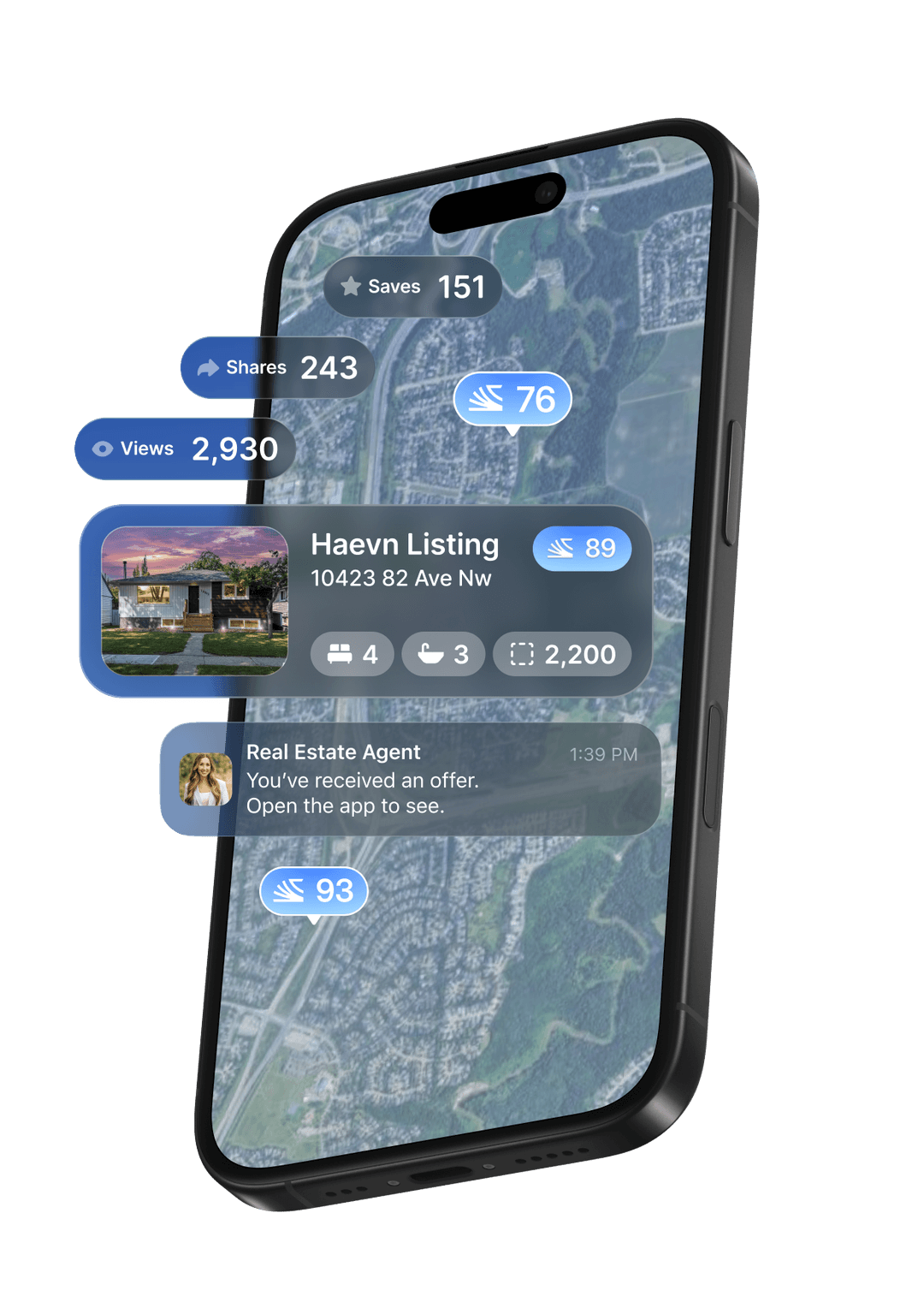
For most people in North America, a home is the most expensive asset they will ever own. It is also the only major asset where upside isn’t the main transaction driver. People sell because of a job, a divorce, a school district. The trigger is rarely opportunity. It is almost always external force. The only way to capture the value of a home is to list it. Windfal is the exception. We verify your home. You name your number. Then nothing happens, the way nothing was supposed to happen, until your number is met. The wind does the work. You do the waiting. What was, in some quiet way, already yours finds you.
One marketplace.
Every home scored.
Get your home inspected before the marketplace goes live this spring. Our founding team is conducting every early inspection, for free.